


Small cars are forgiving, which is exactly why bad habits survive so long in them. A compact hatchback with a modest engine will still start on a frosty morning after months of neglect, still carry four people and a week of shopping, still trundle to work when the oil is a little low. Nothing dramatic happens. That is the trap. The damage accumulates quietly in tyres, fluids and suspension until a repair bill arrives that costs more than a year of small attentions would have.
The good news is that most first-time owner mistakes are cheap to correct once you know what they are. None of them require a workshop, a diagnostic laptop, or a Saturday under the car.
Treating Tyre Pressure as a Once-a-Year Job
Tyres lose air naturally over time, and cold weather shrinks what is left. On a light car, a couple of pounds per square inch below the recommended figure is enough to change how the whole thing feels: steering goes vague, the front end washes out in the wet, braking distances stretch, and the shoulders of the tyre scrub away faster than the middle.
The single best habit is to check pressures every two weeks, with the tyres cold — before you drive, or at least three hours after. Use the sticker in the driver's door jamb or the fuel filler flap. The number printed on the tyre sidewall is a maximum, not a target, and it is usually far too high for everyday driving.
Two details almost everyone forgets. The spare, if you have one, needs checking too, and space savers often run at a much higher pressure than the road tyres. And if one tyre keeps needing air, stop topping it up and get it looked at. A slow puncture from a screw or a leaking valve does not heal itself, and a tyre that fails at speed is not a small problem.
Loading a Small Car Like a Removal Van
Small cars have small payloads. That figure is on the same door sticker as the tyre pressures, and it covers everything you add: passengers, luggage, the dog, the roof bars, the bags of compost. Five adults plus a full boot can push a supermini past its limit without anyone noticing until the rear arches are sitting on the bump stops.
Overloading is not just about looks. Extra weight heats tyres, stretches braking distances, wears springs and dampers, and makes the clutch work much harder from a standstill. A roof box or bike rack raises the centre of gravity and turns a gusty motorway drive into a wrestling match. Keep the heaviest items low and between the axles, never stack luggage above the height of the seat backs, and if you are planning a big trip, work out roughly what you are carrying beforehand.
Skipping the Checks Between Services
A service once a year is not maintenance on its own. Fluids change between visits, and small engines hold small amounts of them, so a minor loss matters more than it would in a big six-cylinder.
- Engine oil: check on level ground with the engine off, ideally cold. The level should sit between the marks, never above the top one. Look at the colour too — oil that has gone milky or gritty deserves attention.
- Coolant: check the reservoir only when the engine is cold. Never crack open a hot cooling system; the contents are pressurised and scalding.
- Brake fluid: the level sinks slowly as pads wear, which is normal. A sudden drop usually means a leak, so have it inspected rather than topping it up and hoping.
- Washer fluid: dull but genuinely a safety item in winter, when road spray arrives faster than the wipers can clear it.
- Transmission fluid: many modern small cars are sealed units. Leave those to the service schedule rather than experimenting.
One more thing worth knowing: if most of your driving is short hops of a few kilometres, the engine rarely gets hot enough to burn off condensation. That is harder on oil than long motorway runs, and it may mean changing it sooner than the book suggests.
Ignoring Warning Lights Until They Go Away
Dashboard lights are graded for a reason. Red means stop somewhere safe and investigate before driving on. Amber means something needs attention soon, not next year. A flashing engine light is a stop-now signal, because it often points to a misfire that can wreck a catalytic converter in a short drive.
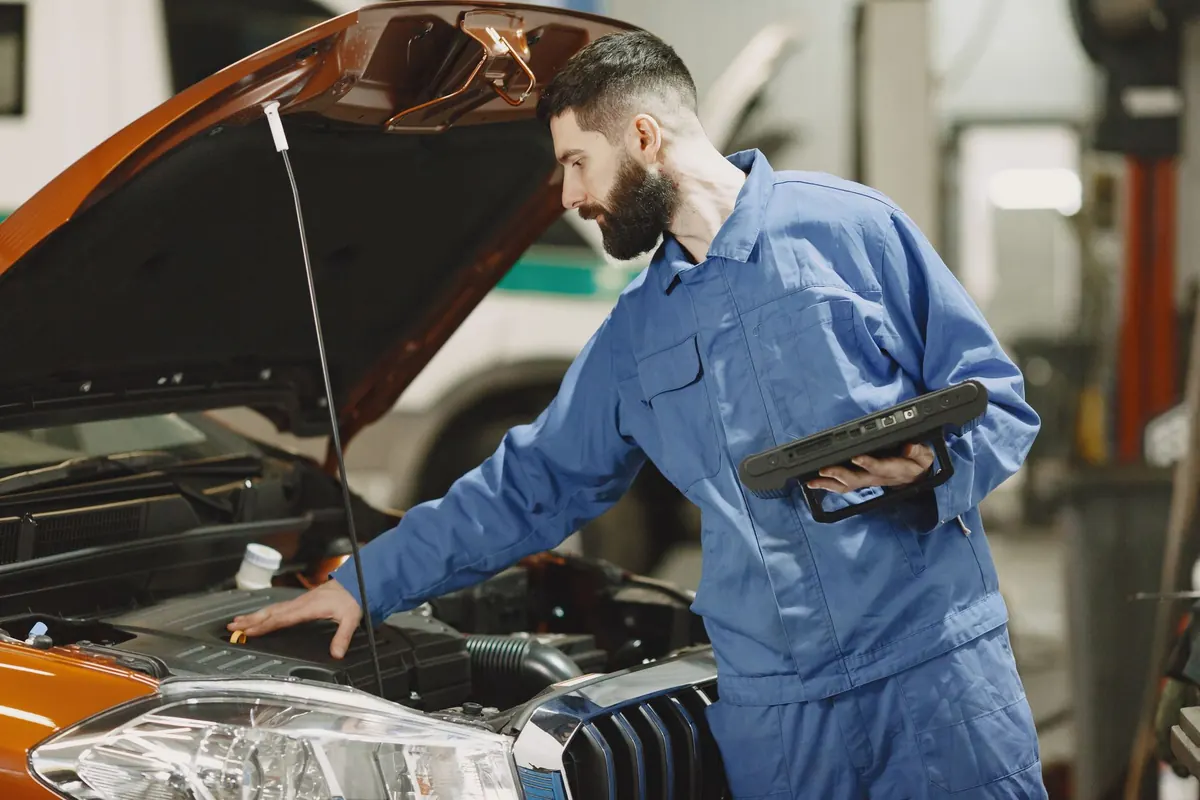
Covering a light with tape, or clearing fault codes before a service so the garage sees a clean dashboard, only hides information you have paid for. A cheap code reader can tell you what the car thinks is wrong, which is a useful starting point and not a diagnosis.
Buying Tyres and Parts on Price Alone
Fitting the cheapest tyres available is a false economy on a light car. Less grip shows up first in the wet, exactly when you need it, and budget rubber is often noisier and wears faster. Match the size and specification on the door sticker or fuel flap, and if you are choosing between brands, mid-range is a sensible middle ground.
The same logic applies to brake pads and wipers. Cheap pads can squeal, dust heavily and fade when they get hot. For brakes, tyres, steering and suspension, a qualified mechanic is worth the money — these are the parts that decide whether you stop.
Driving Habits That Wear a Small Car Out Early
Small engines like revs. Labouring along at low engine speed in too high a gear feels economical, but it strains bearings and asks the clutch to drag the car up to speed from nothing. Change down, let the engine spin, and the car will feel livelier and last longer.
Then there is the clutch foot resting on the pedal at traffic lights, the hand resting on the gear lever, the full-lock turns that grind the steering, and kerbing low-profile tyres and alloy wheels on every parallel park. Idling for ten minutes to warm the car up does almost nothing useful either; gentle driving warms it faster.
Treat the first kilometre of every journey as a warm-up lap, not a race start. It costs nothing and saves a great deal.
A Fifteen-Minute Monthly Routine
Set a reminder on your phone for the first weekend of each month and work through this list. It takes about as long as making a cup of tea and drinking it.
- Check all four tyre pressures, plus the spare, and run a hand over each tyre looking for cuts, bulges, nails or uneven wear.
- Check the oil, coolant and washer fluid levels.
- Walk around the car: are all the lights working, do the wipers clear properly, is there any fresh fluid on the driveway under the engine bay?
- Note anything new — a rattle, a smell, a pulling to one side — in your phone. Patterns are easier to spot when they are written down.
Keep the service book stamped and keep the receipts. When you eventually sell the car, that modest folder of paperwork is worth real money, and while you own it, it means a garage can see what has actually been done. And if something feels wrong with the brakes, steering or tyres, do not wait for the next service — have a qualified mechanic look at it straight away. Small cars reward small kindnesses, and these are the easiest ones to give.
Photo: Gustavo Fring / Pexels
Related posts
More stories you’ll love reading